 EN
EN
 Bahasa Indonesia
Download App



Many people think inflammation only happens when we’re sick. But there’s a quieter kind — not a fever, not a dramatic pain, but a constant sense of heaviness, fatigue, body aches, or low mood.
Millway calls this the micro-inflammation lifestyle: everyday patterns that slowly trigger a subtle “inflamed” state. It’s rarely caused by one big thing — it’s the small habits stacking up until the body starts sending signals.
Micro-inflammation is a state where the body stays under mild stress for too long. The signs are often vague: low energy, brain fog, restless sleep, or feeling “off” without a clear reason.
This isn’t a medical diagnosis — it’s a way to understand body signals: when daily life demands more from your system than it can comfortably recover from.
Millway often sees the same pattern: people feel drained not because of one big problem, but because their routine leaves no space for recovery.
These habits aren’t “bad.” They become a problem when they happen repeatedly without recovery.
Not everyone experiences the same signs, but common signals include:
Millway believes the body always whispers before it crashes. The real question isn’t “what’s wrong with me?” but “what does my body need adjusted?”
Detox is often misunderstood as something extreme. Millway detox means reducing what overstimulates the body and adding small habits that support recovery.
Your body doesn’t need overnight transformation. Millway believes recovery is built through small, consistent choices. As the body calms down, energy becomes more stable — slowly, but truly.
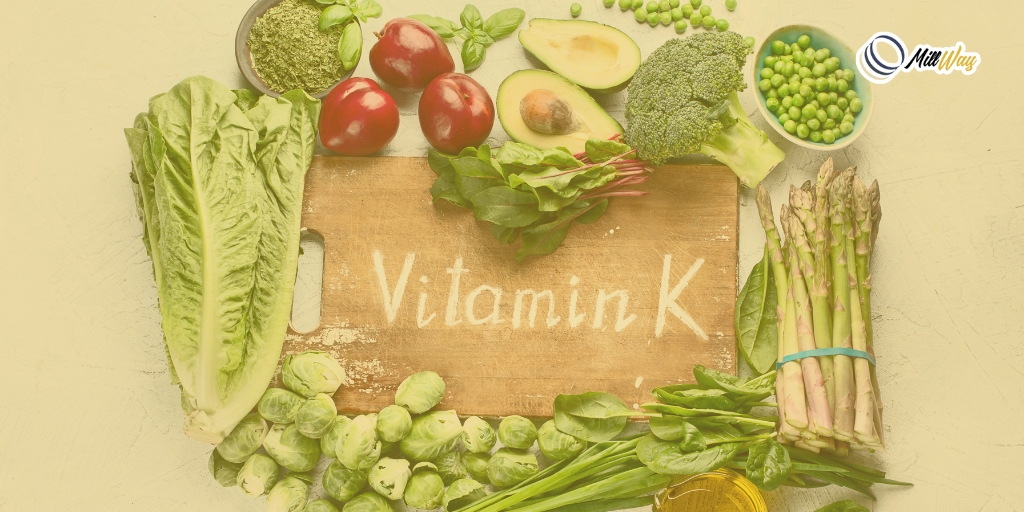
Vitamin C sering dikaitkan dengan daya tahan tubuh, sementara vitamin D dikenal penting untuk kesehatan tulang. Ta...
Read More
Banyak perempuan merasa ada yang berubah saat haid datang. Energi menurun, emosi lebih sensitif, dan fokus ter...
Read More
Do your eyes feel sore, dry, or blurry after hours of screen time? That’s a classic sign of digital eye strain, a cond...
Read More