 EN
EN
 Bahasa Indonesia
Download App



As the rainy season approaches, the body often begins to face a slightly different rhythm. The air feels more humid, daily routines may shift, and the body may need more attention to stay well. During this time, supporting the immune system is not only about avoiding illness. It is also about giving the body enough support through everyday habits.
Many of us only start paying attention to the immune system when the body begins to feel uncomfortable. In reality, the immune system works every day, even when we feel completely fine. It needs enough nutrition, proper rest, hydration, and regular physical activity that suits the body’s capacity.
The immune system does not work on its own. To function well, the body needs energy, protein, vitamins, minerals, fiber, and various bioactive compounds from everyday foods. Long-term nutrient inadequacy can affect immune function and make the body more vulnerable to infections.
That is why supporting immunity should not only begin when the weather starts to change. The body needs consistent support from more varied food choices, better sleep rhythm, and movement habits that do not have to be intense, but are done with awareness.
Everyday food plays an important role in helping the body function well. Energy is needed so the body can move through daily activities, while protein supports the formation and maintenance of body cells, including cells related to the immune system.
Protein sources can be varied through fish, chicken, eggs, tofu, tempeh, and legumes. Vegetables and fruits are also important in helping provide vitamins, minerals, fiber, and bioactive compounds. The more varied the types and colors, the wider the range of nutrients the body can receive.
Vitamins and minerals such as vitamins A, C, D, E, zinc, and selenium also play a role in immune function. However, in Millway’s approach, what matters most is not chasing one specific vitamin, but building a varied and balanced eating pattern consistently.
As an inspiration for daily meals, Millway Nutritionist recommends a menu consisting of rice, grilled chicken, sautéed broccoli and carrots, and orange. This combination can help provide energy, protein, vitamins, and minerals as part of an everyday eating pattern.
Rice serves as a source of carbohydrates to help provide energy. Grilled chicken offers protein that supports the formation and maintenance of body cells. Sautéed broccoli and carrots add fiber, vitamins, minerals, and bioactive compounds from vegetables. Meanwhile, orange can be a refreshing fruit option that completes the variety of nutrients in one meal.
A menu like this can be a simple, familiar, and easy-to-understand choice. Not because one plate can work instantly, but because a more balanced eating habit can help the body receive the support it needs from day to day.
One common mistake is thinking about immunity only when the body starts to feel unwell. As a result, many people only look for extra vitamins or try to improve their diet after discomfort appears.
In reality, the body benefits more from consistency than from occasional quick fixes. Supporting immunity does not have to be complicated, but it does need to begin with small acts of attention repeated over time.
At Millway, taking care of the body before the rainy season can begin with realistic steps. There is no need to change everything at once. Start with habits that are closest to your daily routine.
These small steps may seem simple, but they often become an important foundation for a more stable body. Especially as the weather begins to shift, the body needs support that shows up consistently, not only when discomfort appears.
As the rainy season approaches, supporting the immune system is not about excessive worry. It is about building a more sensitive relationship with our own body. When we eat with more awareness, sleep more adequately, and keep moving regularly, the body has a better chance to function in balance.
For Millway, wellness always begins with small habits practiced consistently. One more complete plate, one rest period that is not postponed, and one simple decision to care for the body before it has to ask for attention more loudly.
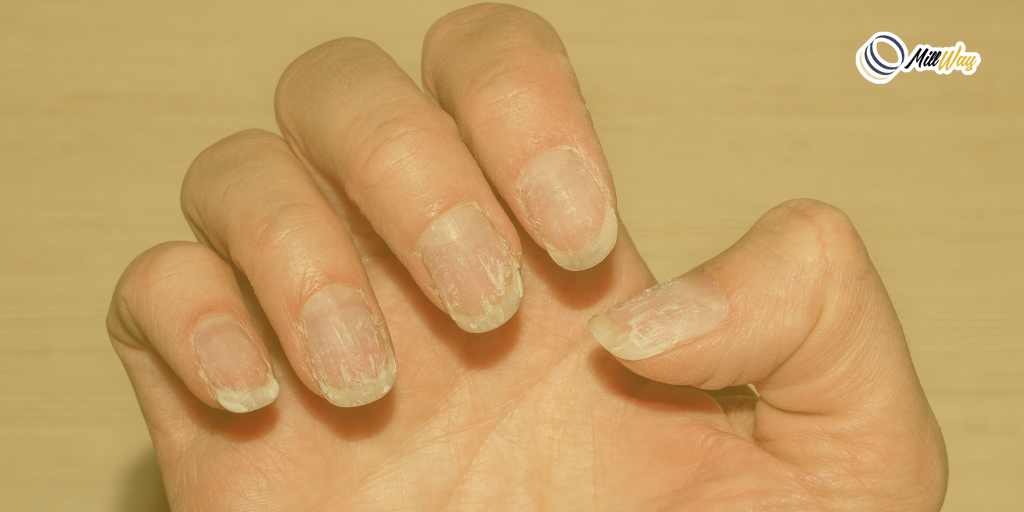
Kuku yang mudah patah sering dianggap sebagai masalah kecil. Banyak orang mengira kondisi ini hanya terjadi karena k...
Read More
As November arrives, rain begins to fall across Indonesia. The air turns humid, the temperature drops, ...
Read More
In this era of productivity, setting goals has become a must—career goals, financial goals, healthy habits goals, even...
Read More